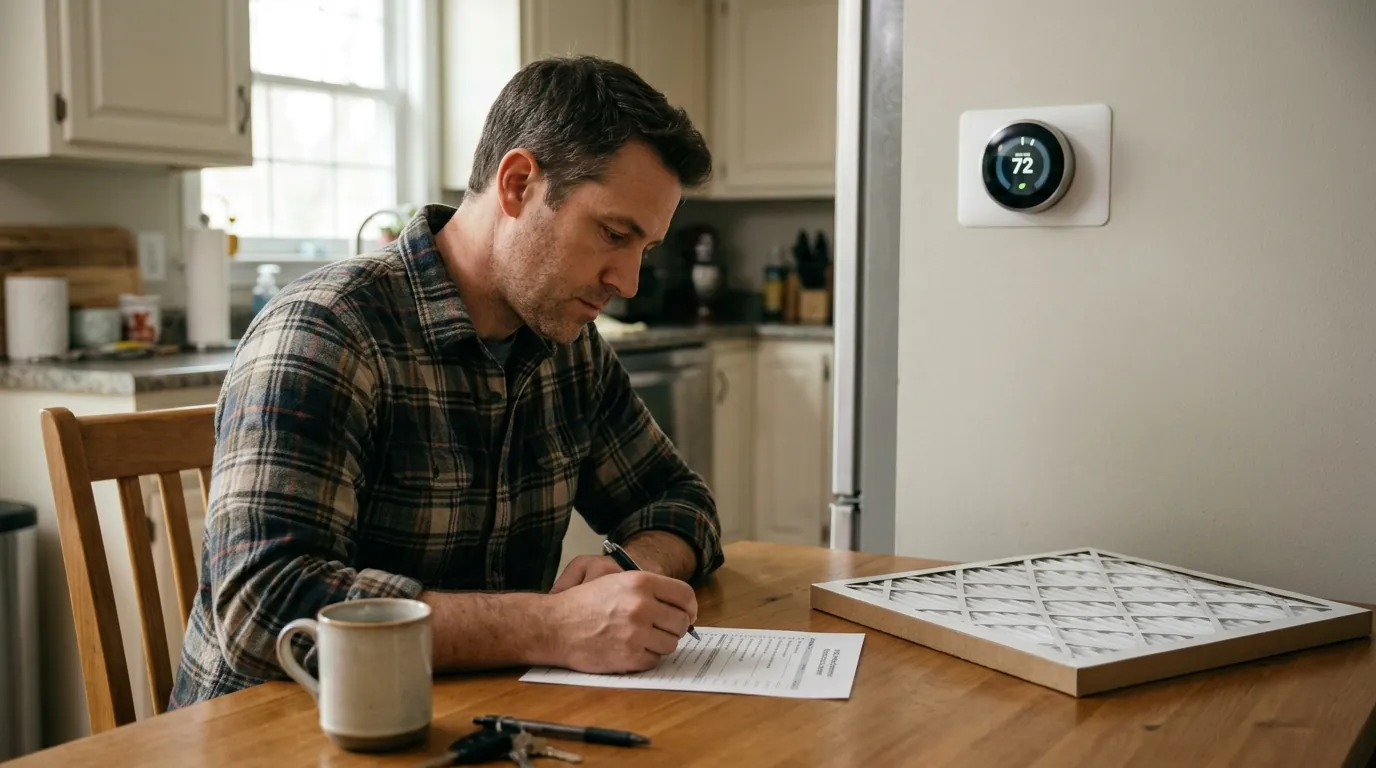
Heating and cooling articles for Atlanta homes
Straight answers to the questions Atlanta homeowners ask most, written by Eugene Glisson, our HVAC guides editor.
- Phones answered 24/7
- Newnan office, southwest Atlanta coverage
Latest articles
Topics come from the calls we answer: what a new system costs, why upstairs runs hot, how the refrigerant rules changed, and what to do in the first ten minutes of an outage.
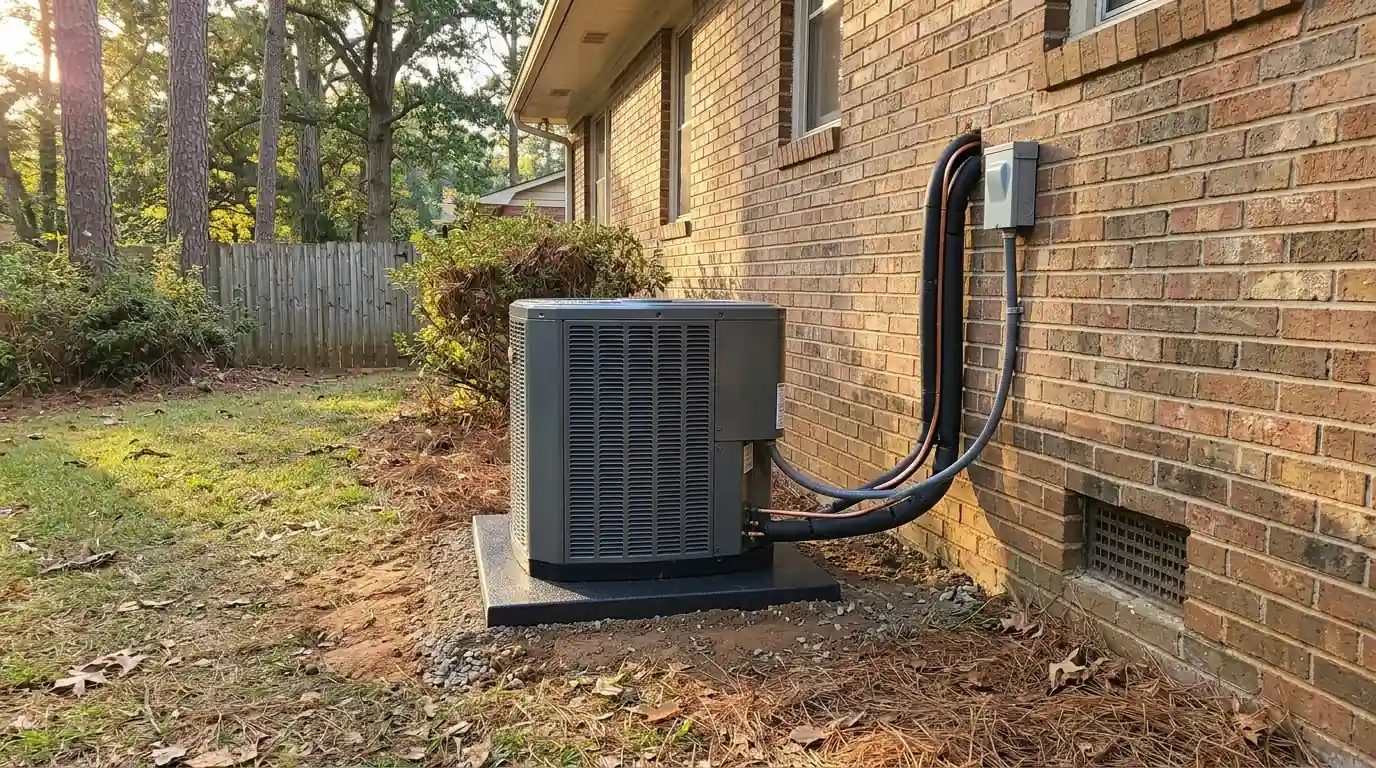
What AC Replacement Costs in Atlanta, GA
Published planning ranges for AC replacement in Atlanta cover a wide band, and the gap comes from scope more than brand.
Updated October 2026
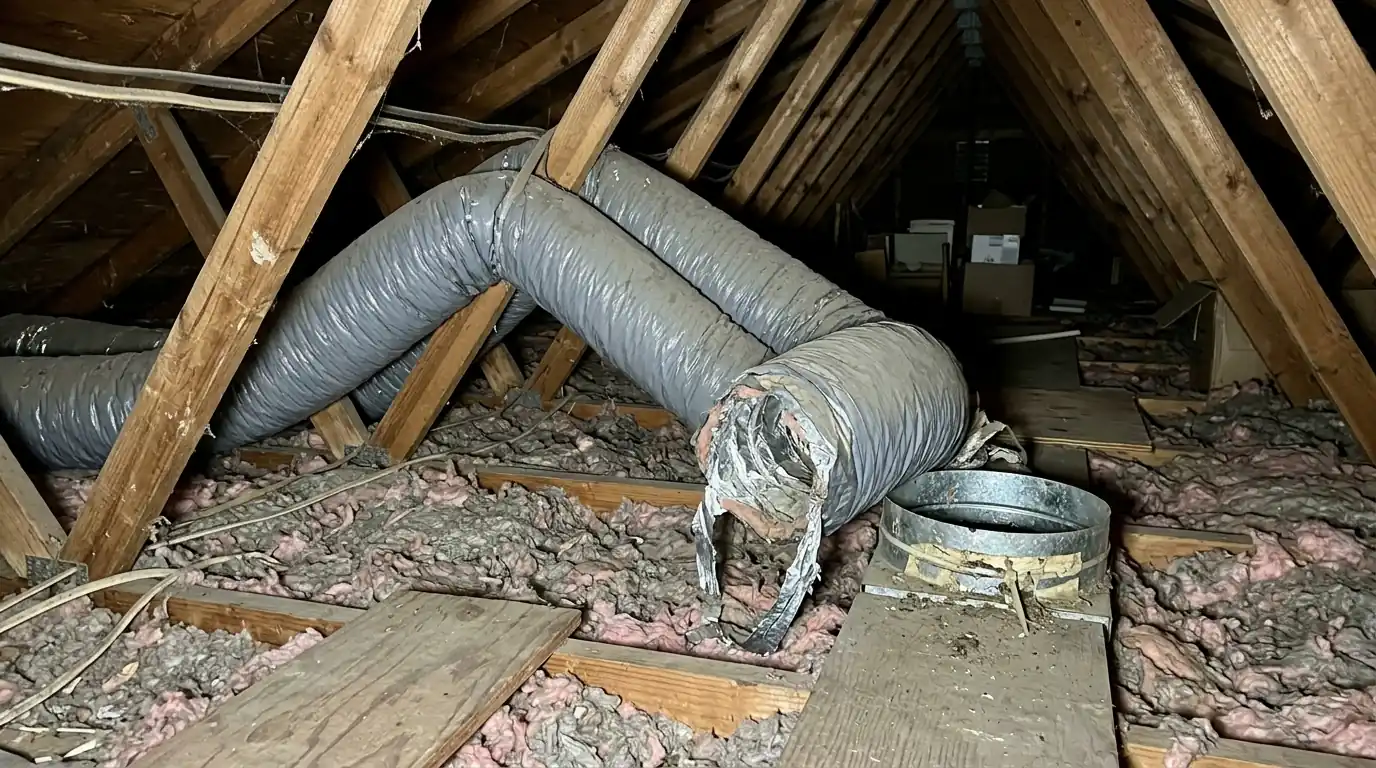
Why the Upstairs Runs Hot in Atlanta Two-Story Homes
An upstairs that runs several degrees warmer than the first floor in an Atlanta two-story home usually has three causes stacked together: attic heat pressing on the ceiling and ducts, too little return air upstairs, and…
Updated October 2026
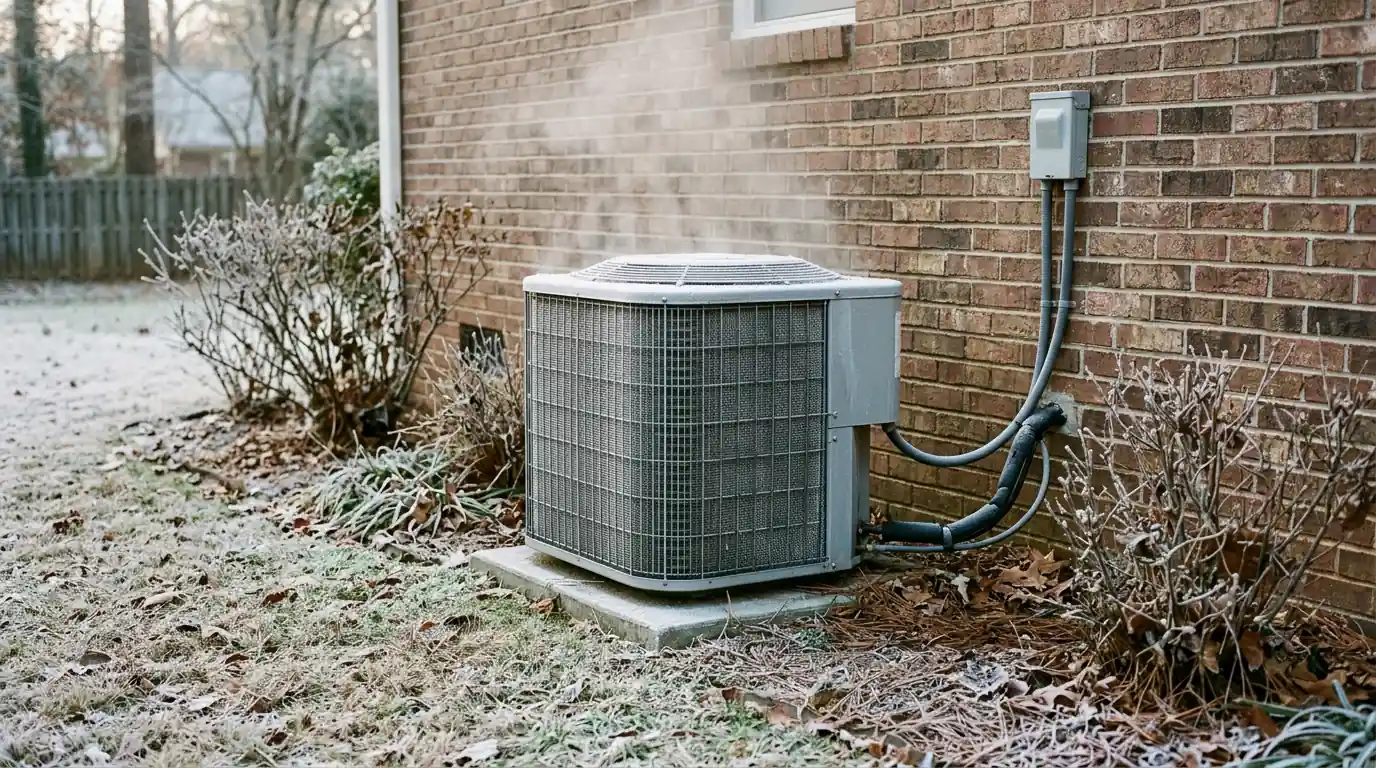
Heat Pump or Gas Furnace in Georgia: How to Choose
For most Atlanta homes, a heat pump handles the bulk of winter comfortably because January lows average near 34F.
Updated October 2026
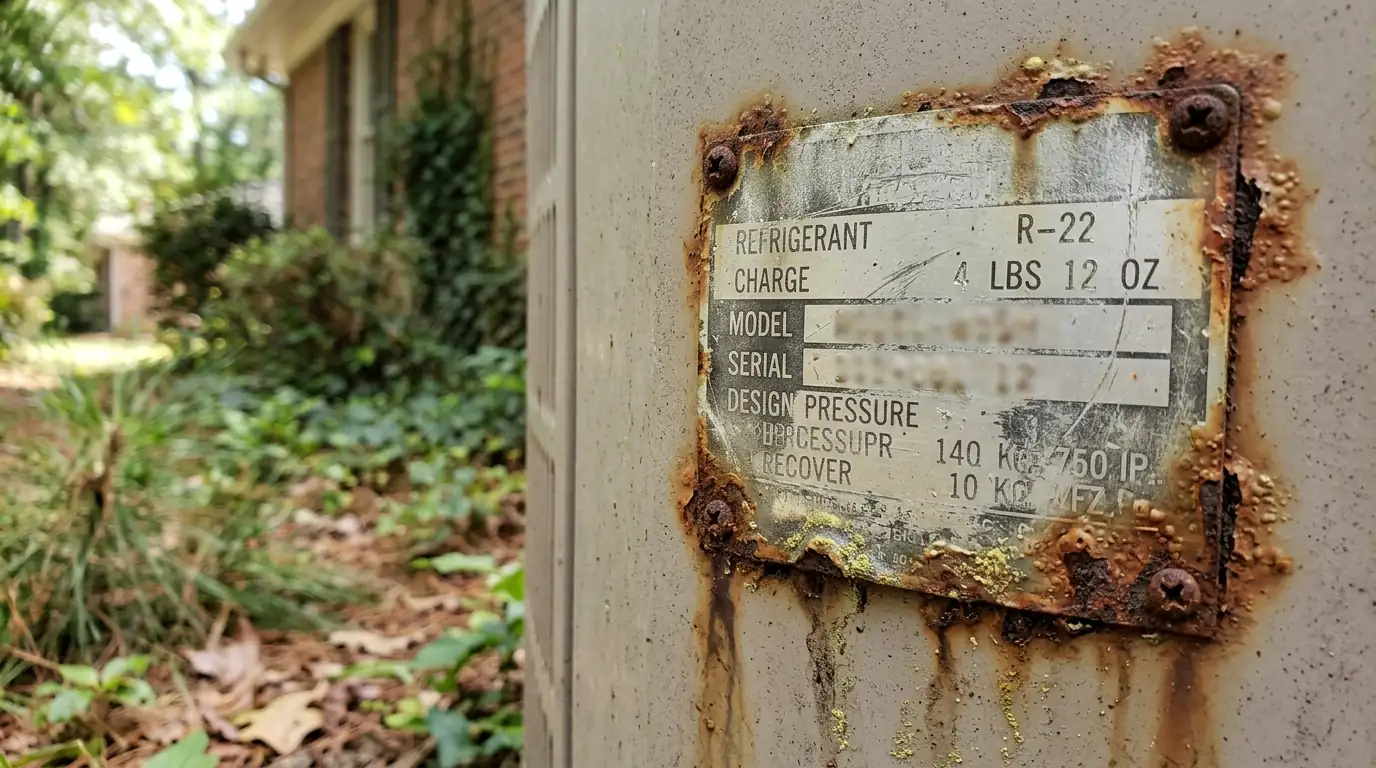
R-22, R-410A and R-454B: Refrigerant Guide for Georgia
Your existing R-410A or R-22 system can legally keep running and be repaired.
Updated October 2026
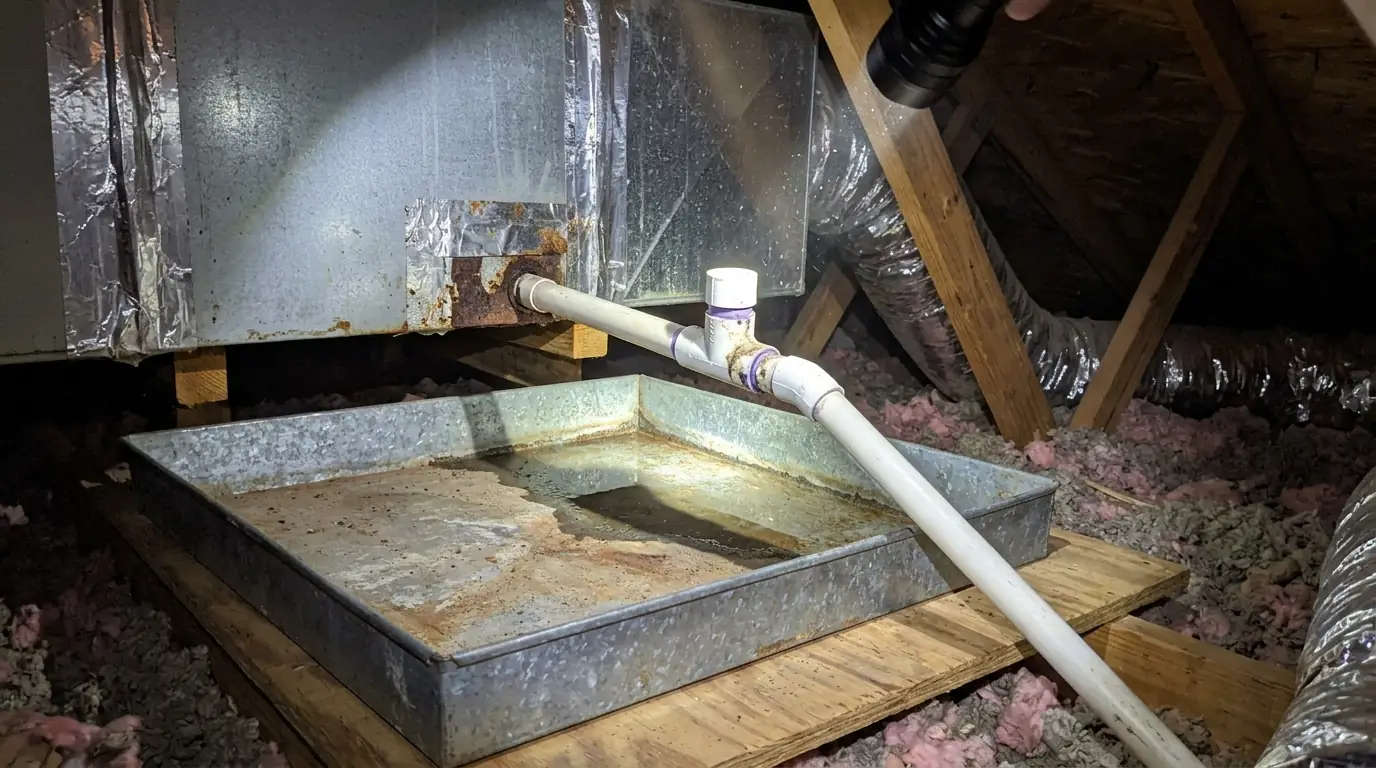
Why AC Drain Lines Clog in Atlanta Humidity
AC drain lines clog in Atlanta because the system pulls a lot of water out of humid summer air, and that warm, constantly wet line grows slime and algae.
Updated October 2026
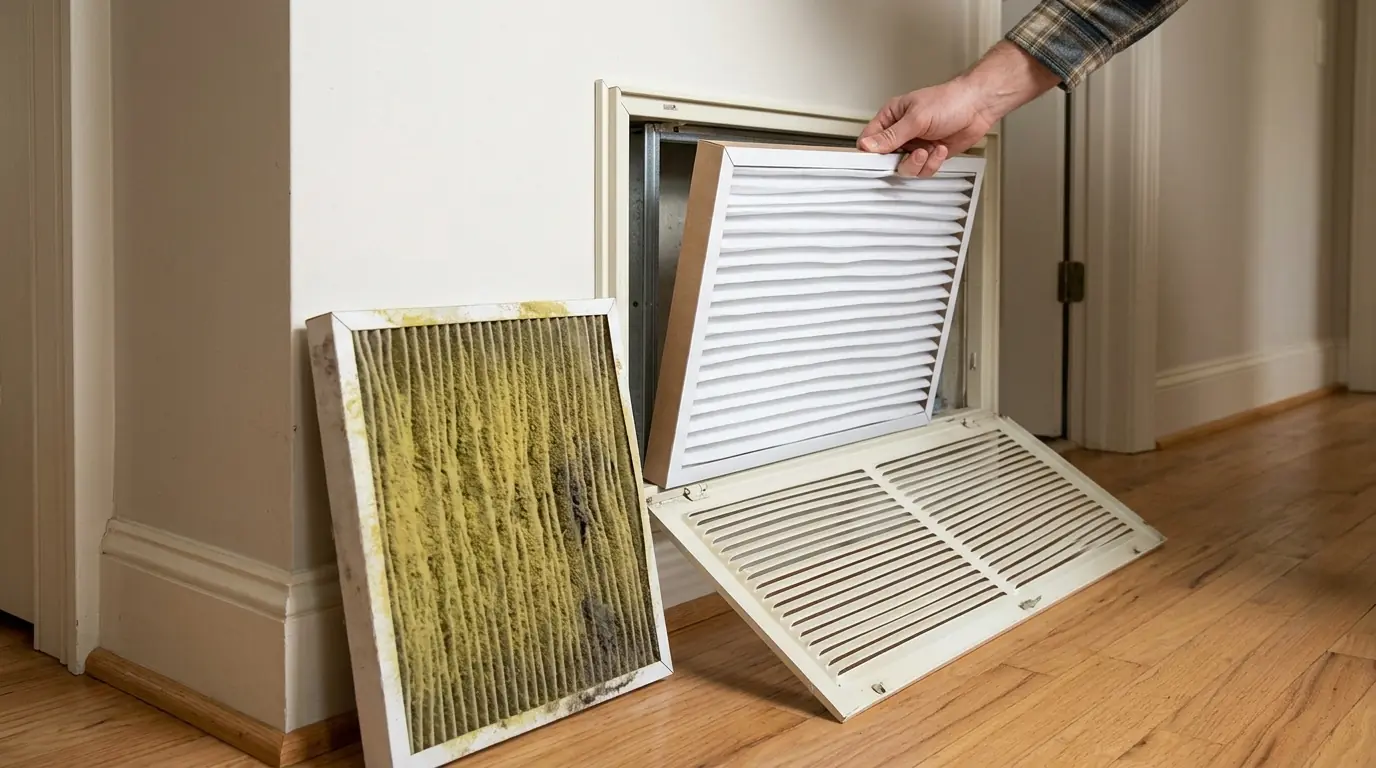
Atlanta Pollen Season and Your HVAC Filter
During Atlanta's spring pollen peak, check your HVAC filter every two to three weeks and replace it when it is visibly coated.
Updated October 2026
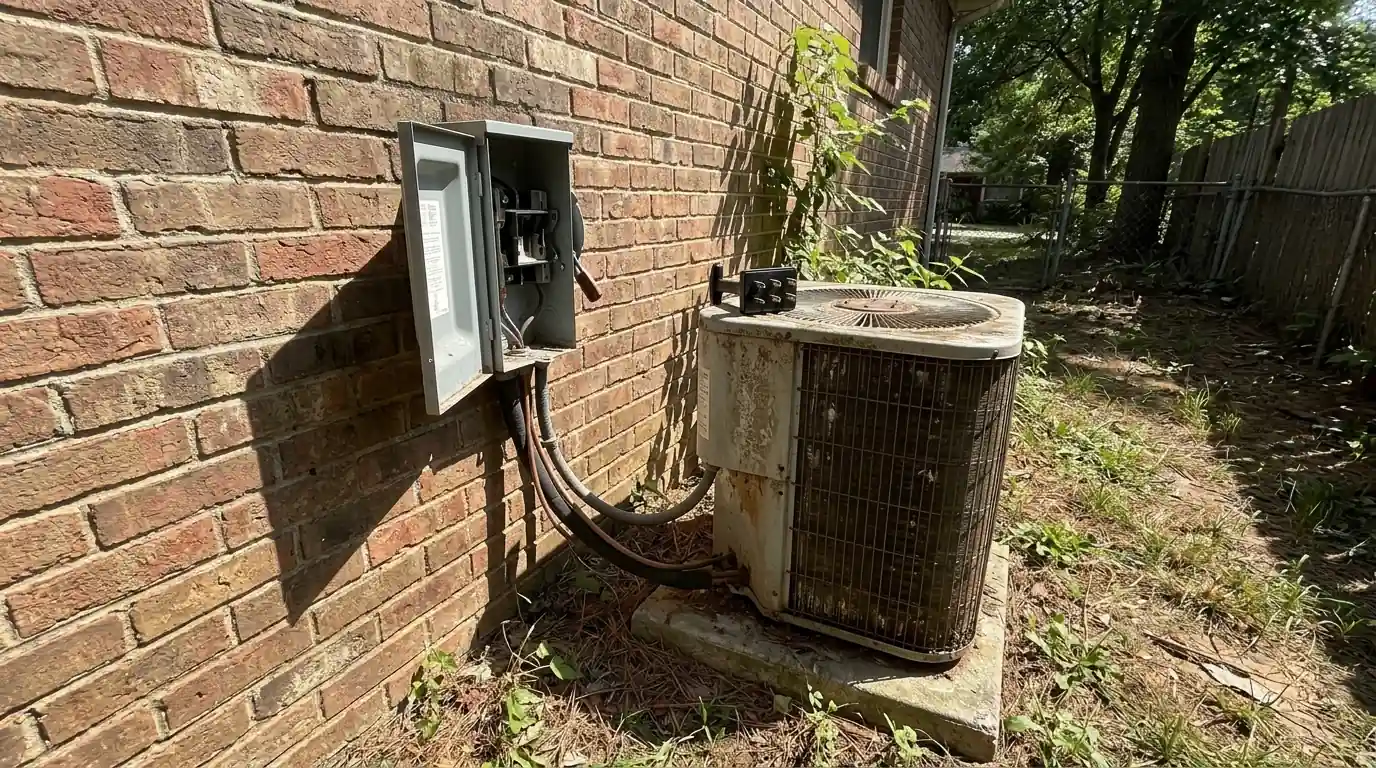
AC Quit in an Atlanta Heat Wave: What to Do First
When the AC quits in Atlanta heat, check four things before anything else: the thermostat mode and batteries, both breakers, the filter, and whether the drain float switch tripped.
Updated October 2026
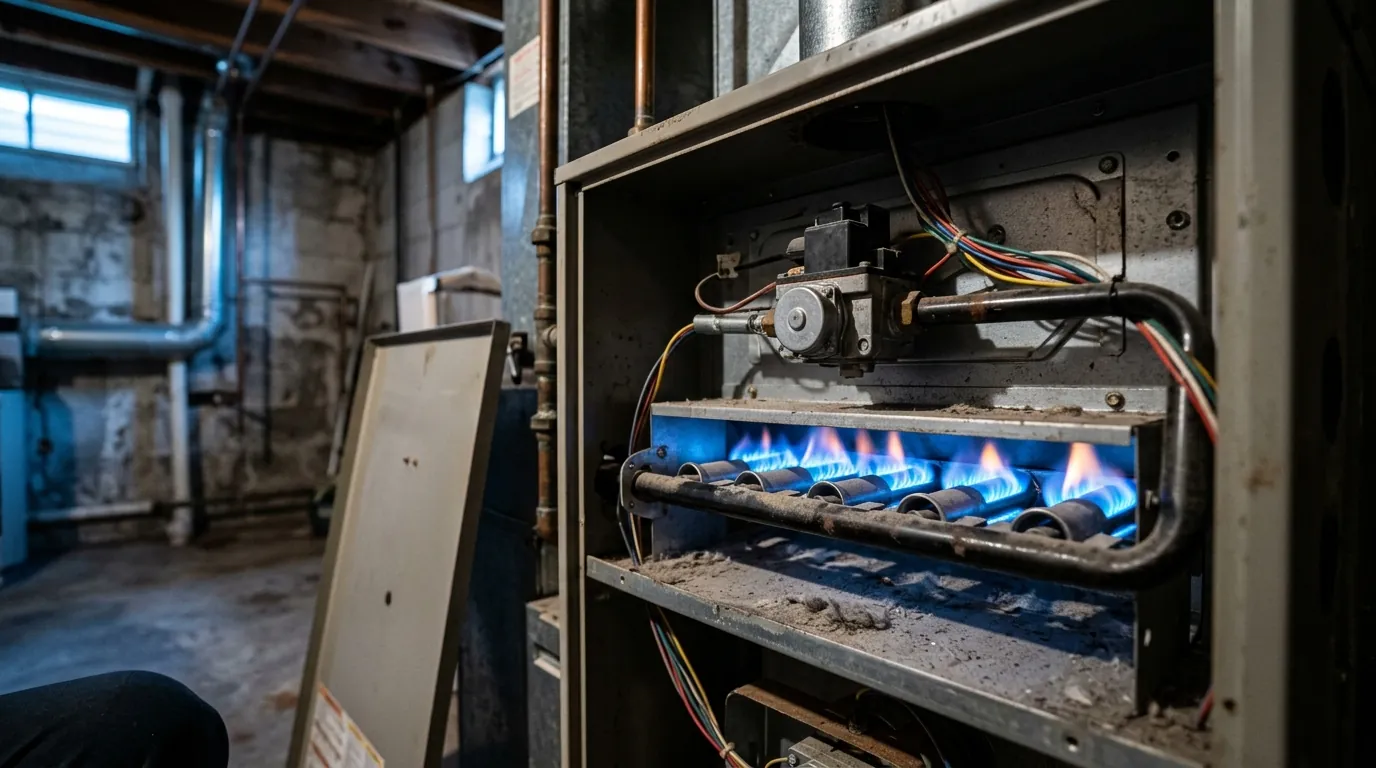
Furnace Smells on the First Cold Night: What Is Normal
A dusty, slightly burnt smell for the first 20 to 60 minutes of heating season is normal; months of dust is burning off the heat exchanger or heat strips.
Updated October 2026
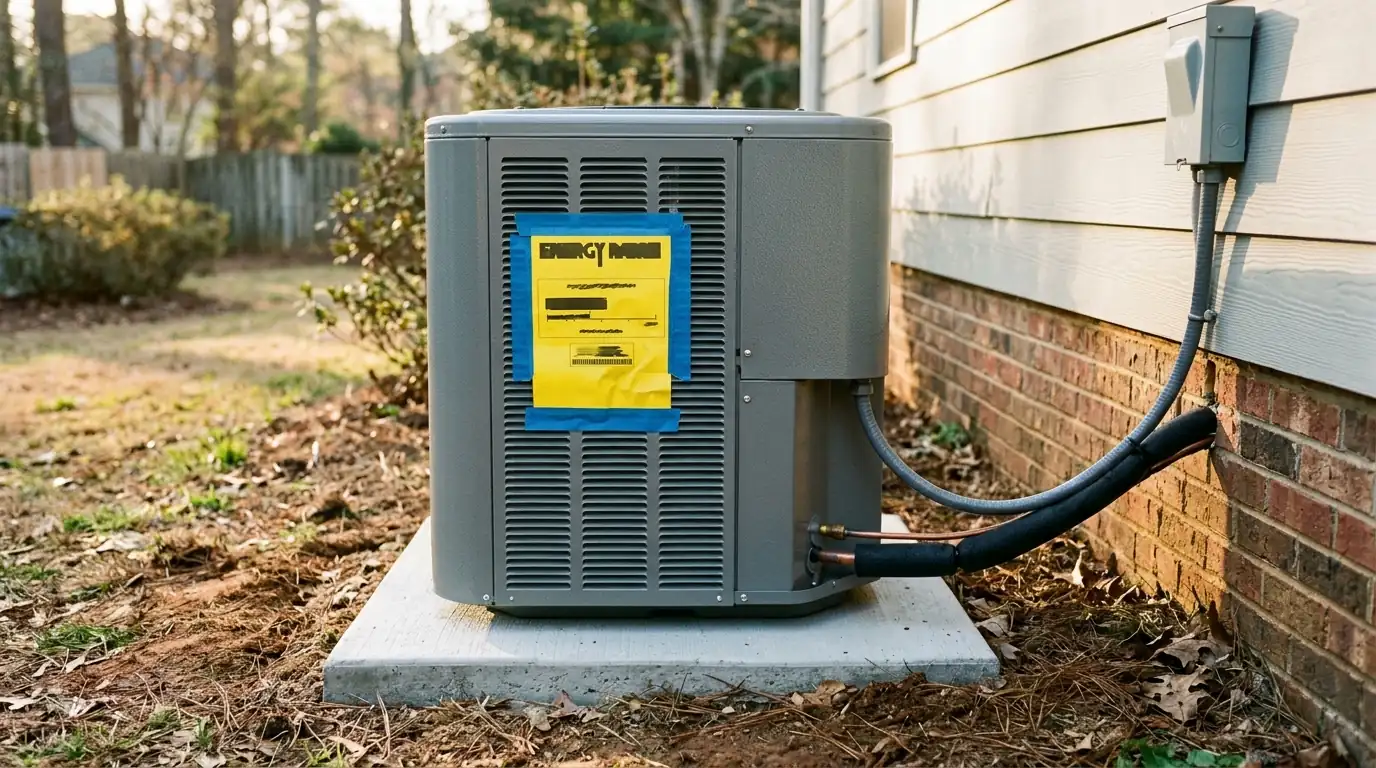
SEER2 Rules in the Southeast and Your Next System
Georgia falls in the DOE Southeast region, so since January 1, 2023 a new split-system central AC installed here must meet 14.3 SEER2 below 45,000 Btu/h and 13.8 SEER2 at larger sizes.
Updated October 2026
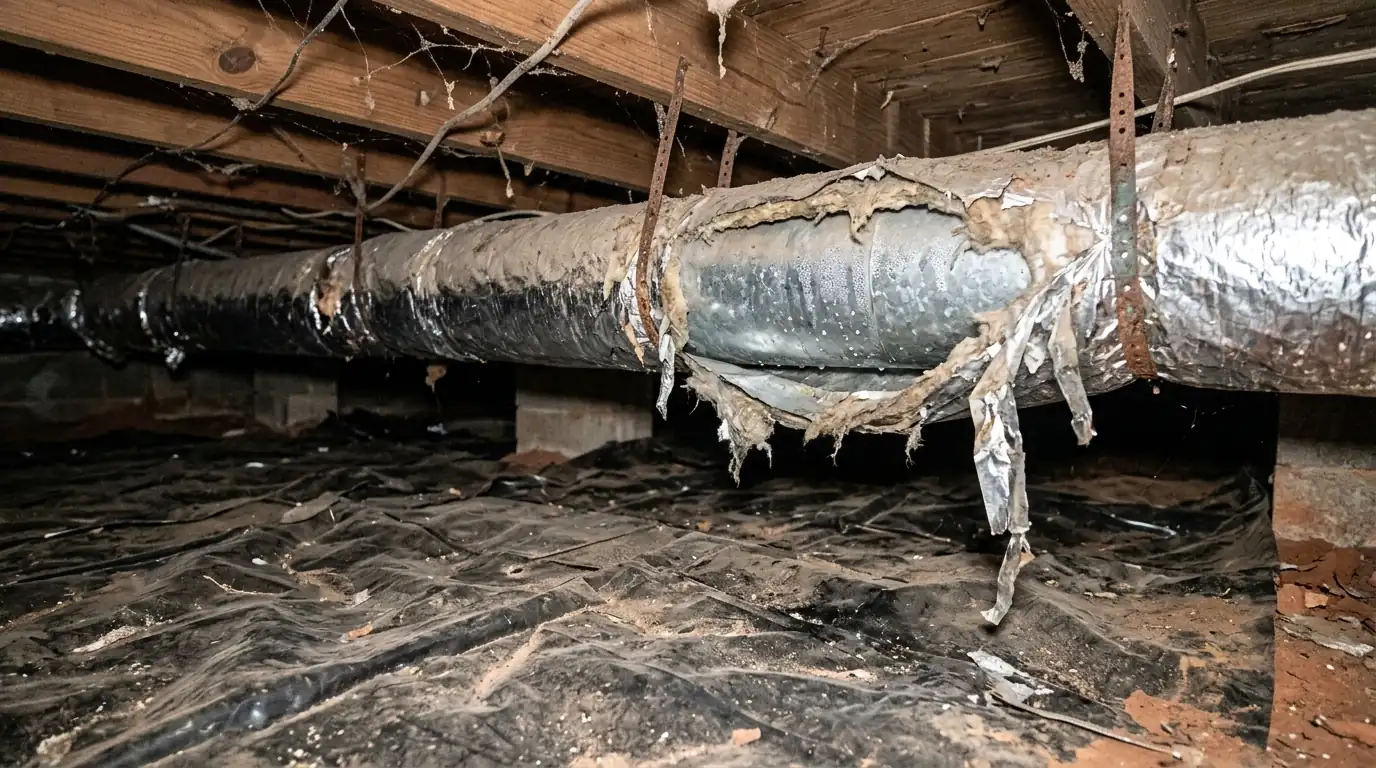
Crawl Space Humidity and Your HVAC in Atlanta Homes
In Atlanta, a vented crawl space lets humid summer air under the house, where it meets cool duct surfaces and floor framing and condenses.
Updated October 2026
Cooling questions
Summer is when most of these get read. The heat wave checklist covers the first ten minutes after an AC quits, the drain line article explains why Atlanta humidity floods so many pans, and the two-story comfort piece deals with the upstairs that never cools.
Buying a new system
Replacement questions are mostly about money and rules. Start with what AC replacement costs in Atlanta, then read how the SEER2 minimums for the Southeast and the refrigerant transition affect what can be installed, and whether a heat pump or a gas furnace suits your house.
Air, moisture and smells
Some problems are about the air rather than the temperature. The pollen season article covers filters and MERV ratings, the crawl space piece follows moisture from under the floor into the ducts, and the furnace smell guide sorts the normal first-night odors from the ones that mean shut it off.
About these articles
They are written and kept current by Eugene Glisson, our HVAC guides editor, based on the problems that come up on real heating and cooling calls around southwest Atlanta.
Some steps are safe for a homeowner, like changing a filter or clearing a drain line at the outside end, and the articles say so. Refrigerant, gas and high-voltage work are not, and the articles say that too.
Whenever the facts change. Refrigerant rules, efficiency standards and local weather records all moved in the last few years, and each article shows the month it was last updated.
Call and ask. Questions that come up often end up as new articles.
Rather ask a person?
Call any hour. A technician can answer most questions in a few minutes.